Loading...
All Posts By

Jeneba Jalloh Ghatt

Inside Kenya Moore Daly’s ‘Wrinke In Time’-Themed Baby Shower

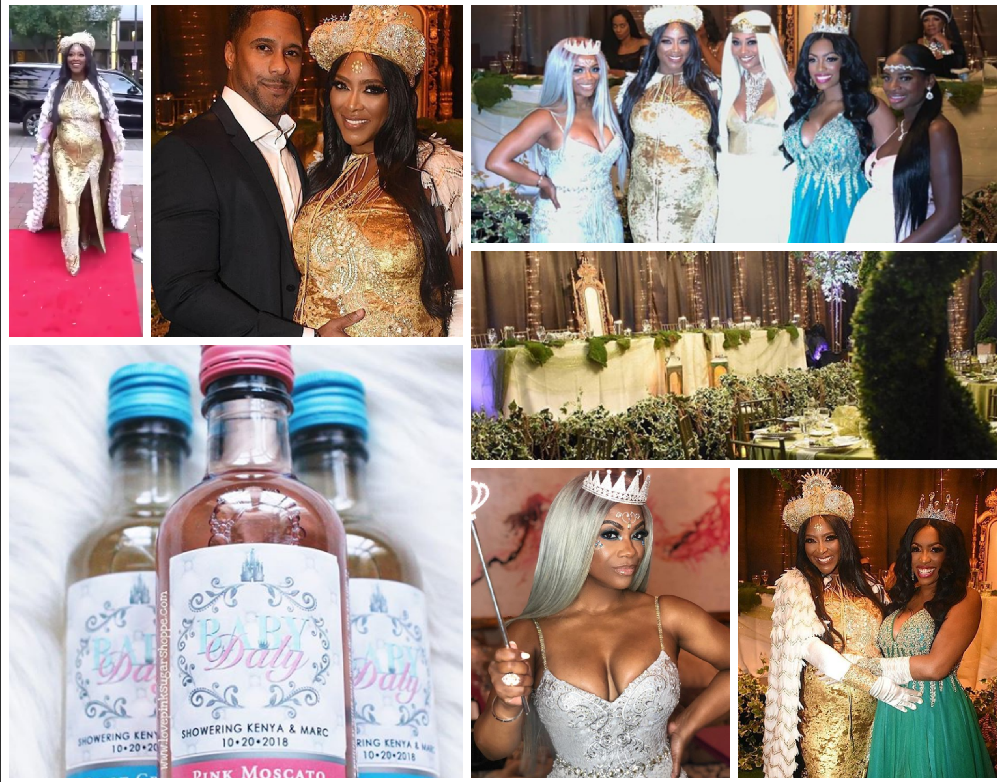
Last weekend, Real Housewives of Atlanta alum Kenya Moore and her husband Marc Daly celebrated the impending birth of their first child together at a  Wrinkle In Time -theme baby shower in Atlanta where guests were asked to dressed in elaborate costumes to reflect the theme similar to the Met Gala.

The seated plated event was held at the Historic Academy of Medicine building at George Tech University, a venue used often for lavish banquets, weddings and other formal events.

It was held in an intimate sized ornately decorated room, draped in lighted organza, green carpet, golden thrones and everything needed to resemble an enchanted forest.

Guests of the October 20th event included family, friends and former castmates Porsha Williams, Kandi Burrus, Cynthia Bailey, and Claudia Jordan along with “Real Housewives of Potomac” star Gizelle Bryant, Married to Medicine stars Toya Bush-Harris and Dr. Heavenly Kimes among others.

When the time was right, Moore Daly entered the red-carpet event after emerging from a luxury black SUV and joined her already gathered guests to an awaiting head table that included her aunt, hubby and several relatives.

https://www.instagram.com/p/BpNgwmNlZ_p/?taken-by=thekingofshade_1

https://www.instagram.com/p/BpNjNd5lbvR/?taken-by=thekingofshade_1

At one point, Moore Daly and Williams and Morton talked about not being able to breathe while preggers. Cute.

https://www.instagram.com/p/BpPU_qwHLop/?taken-by=therealhousewivesofatlanta

The Dalys took a spin off of a very popular theme among celebs: Royal. It is one previously in the past including, Lil Kim, Jojo Simmons, Chrissy Teigen and John Legend,  Creed frontman Scott Stapp and his wife Jaclyn, and even Moore Daly’s  former co-star Eva Marcille earlier this month in March.

https://www.instagram.com/p/BpSKHUUn_MR/?taken-by=therealhousewivesofatlanta

https://www.instagram.com/p/BpNIEJBHNJY/?taken-by=therealhousewivesofatlanta

Guests took home custom a box of favors featuring personalized chocolate bars, Tic Tacs, wine and sanitation wipes.

View this post on Instagram

The package for the royal baby shower! ??✨? #babydaly

A post shared by Shanice Evans (@pinksugarshoppe) on

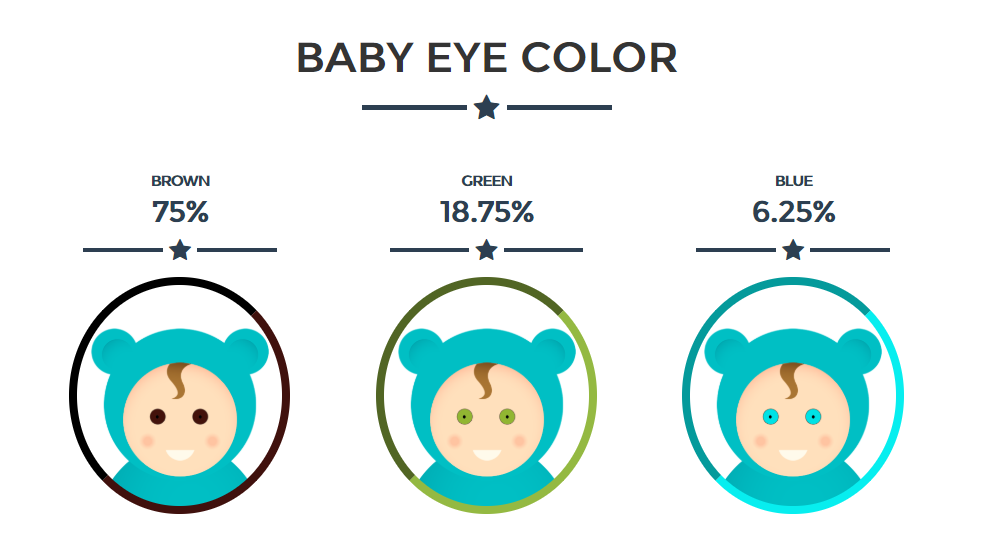
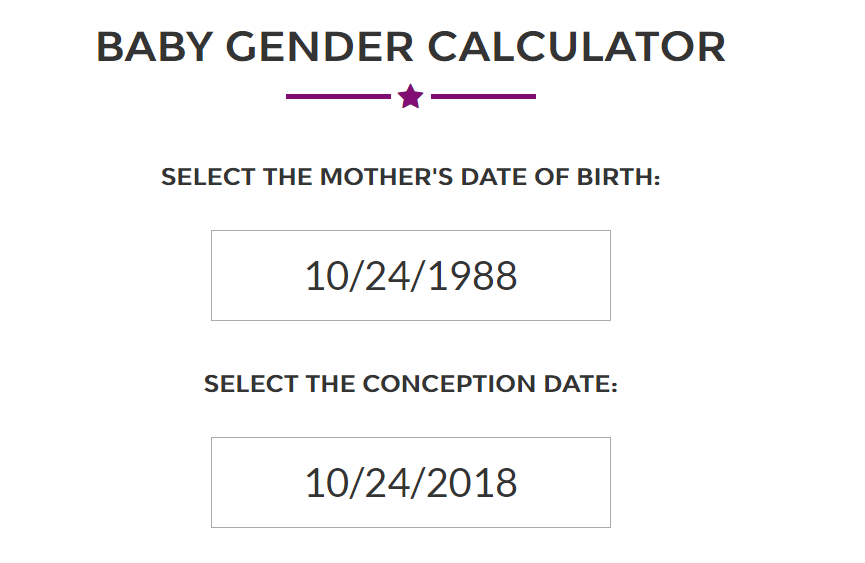
Take These Fun Online Baby Hair, Gender and Eye Color Predictors

From the moment a woman becomes pregnant, she and her partner start to wonder what features the baby will have. What color will her eyes be? Will he have red hair like grandma? And of course, they are curious if their baby will be a boy or girl.

There are fun online applications out there that help parents come up with the answers using theoretical calculations formed around genetics. Here is the address of two such applications to check out that have users input the eye  and hair color of baby’s grandparents and parents and spit out a percentage in liklihood of what the baby will have when born.

I checked them out but in my opinion, these predictors are a bit limited, and not inclusive of diverse ethnic groups. For example,  the eye color predictor is limited to brown, blue, green and undefined- colored eyes. 


https://www.predict-eyes.com


The hair predictor includes blonde, strawberry blond, brown and red hair. Find it here: https://www.predict-hair.com

The gender predictor  (https://www.baby-gender-predictor.com/)  has the user enter mom’s birthday and the rough time of conception, then spits out a prediction using the Chinese and a Mayan calendar and parameters. There is a full explanation below the answer.

It’s fun stuff. Try them out!

Jessie James Decker Dishes on Weight Loss After Baby (VIDEO SNEAK PEEK)

Country singer and E! Reality TV star Jessie James Decker dishes on her weight loss journey after giving birth to her third child, son.

The “Boots” singer reveals how much weight she gained while pregnant with Forrest and tells how she stays fit while on tour. Watch E! News for the complete interview tonight and in the meantime, here is a sneak peek!

How to Engage Your Child Through Play

When it comes to spending time with children, do you spend your time engaging them, entertaining them or doing a little of both? Before you can fully answer that question, you may need to explore the difference between the two.

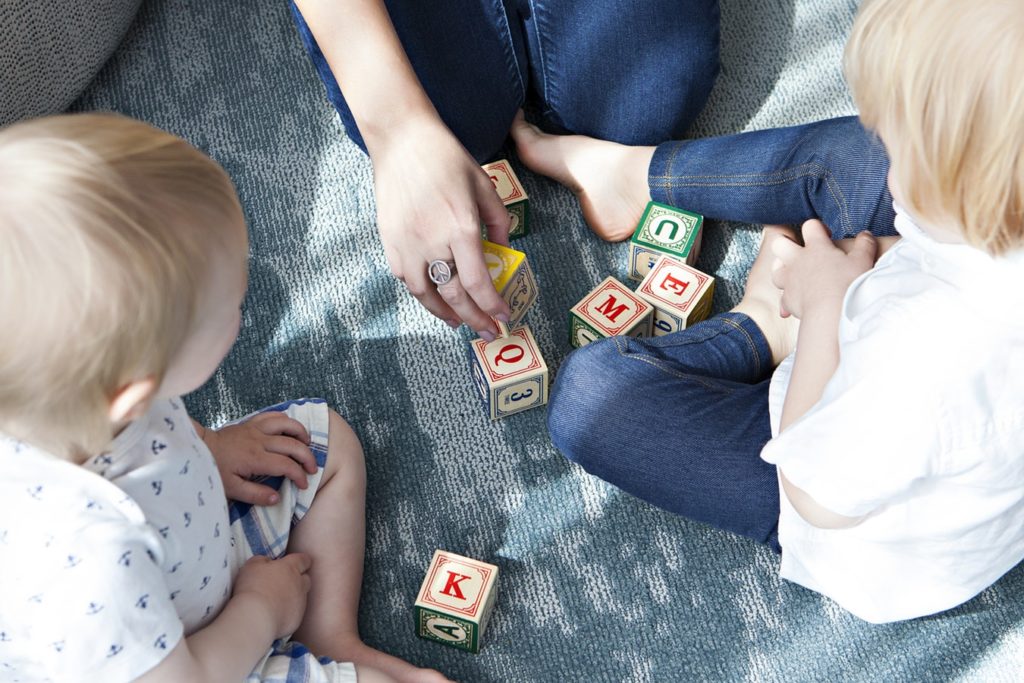
When caregivers engage children their time is spent being actively involved with the kids. Engaging children requires active participation from both the caregiver and the child. When caregivers actively play with children, they are engaging them. Caregivers might engage children by playing blocks with them, dancing with them, playing a game with them, or being involved in dramatic play with them.

When caregivers entertain children their time is spent passively involved with the children. Entertaining children is not interactive. In fact, it’s mostly one-sided with the child fulfilling the role of audience. Entertainment requires observation. When caregivers take the children to the movies or put on a television show for them to watch, they are entertaining them.

The purpose of engaging children is to help focus their attention so that learning can happen. The purpose of entertaining is to create a pleasurable experience. Engagement involves children being creative and solving problems, while entertainment involves children watching others be creative and solve problems. While some entertainment can be educational, that’s not its primary purpose.

For many caregivers, given the integration of technology in everyday life, it often requires some entertaining to get the children interested before you transition to engaging them. And while some learning may come from entertainment, when children are engaged, real and lasting learning occurs.

As you consider how you spend time with the children in your care, ask yourself:

  • Am I actively interacting with the children?
  • How does the entertainment I offer deepen or enhance their learning experience?
  • Is the activity the children are doing designed to benefit them or me?
  • Am I nurturing the children’s sense of curiosity about themselves and their world?
  • Am I providing tools for hands-on learning?
  • Is technology trumping your relationship?
  • Are we going places more than doing things together?

If your answers lead you to believe the children would benefit from more engagement and less entertainment, consider spending more time engaging the children by:

  • Playing play-dough
  • Building blocks
  • Doing arts and crafts together
  • Playing board games
  • Having a tea party
  • Rolling a ball back and forth
  • Taking part in fantasy play
  • Playing outside
  • Putting on a puppet show
  • Baking cookies.

While having fun is certainly important, providing opportunities for interaction, hands-on learning and problem solving can create an environment that promotes active learning, which will yield lasting results.

Why Are Black Mothers Dying During Childbirth More/Miscarrying At Work in America?

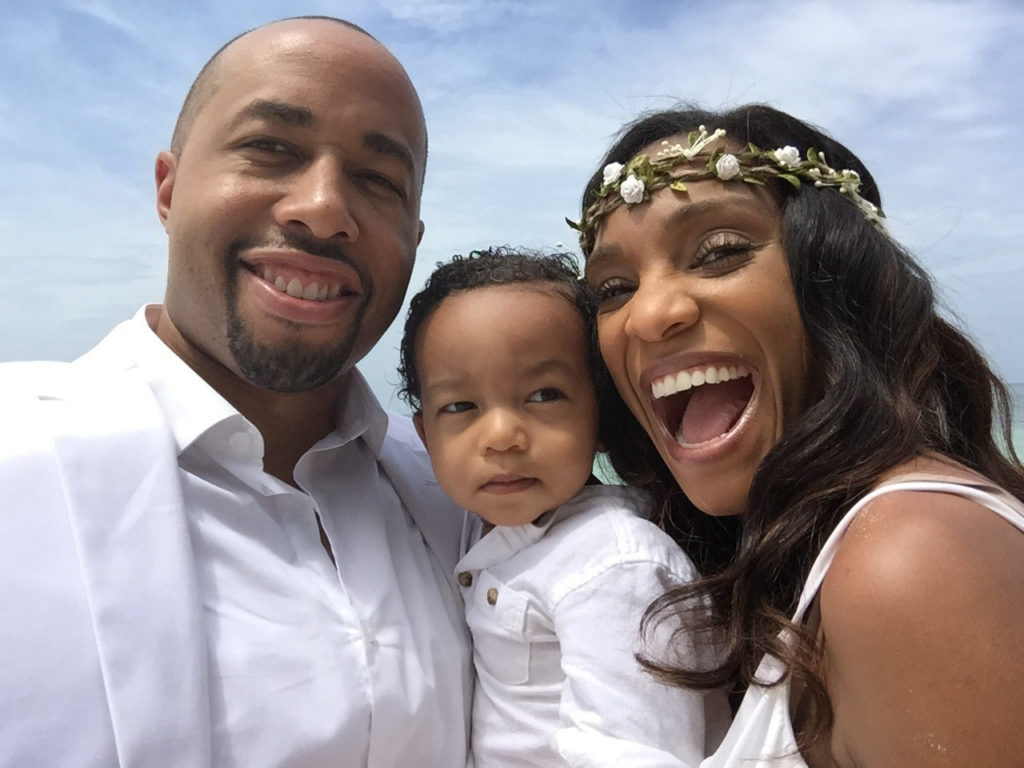
Charles Johnson , his wife Kyira Adele Dixon and their son Charles  in Cartagena Colombia August 23, 2015 Photo Credit: Courtesy Charles Johnson

For every 13 white women who die during pregnancy or within one year of giving birth, there are 44 black women. Most of these deaths are preventable.

Maternal death rates is rising in America and black women are dying most. According to the Centers for Disease Control, black women are three to four times more at risk of dying from pregnancy-related causes than any other race.

“The experience of being black in America is so fundamentally different from the experience of being white in America that it translates to health outcomes,” said Dr. William Callaghan, chief of the CDC’s Maternal and Infant Health Branch.

It is happening at every socioeconomic level. Tennis Champ Serena Williams complained of doctors not listening to her about her critical chronic condition after the birth of her first child.

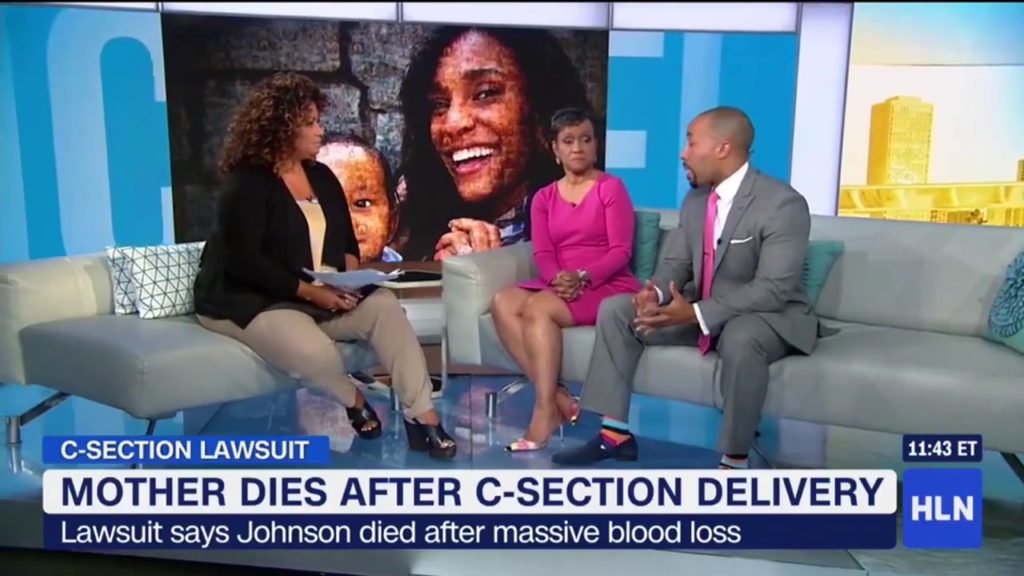
Trending this week is the story of celebrity TV Judge, Judge Hatchett‘s daughter in law, Kyira Johnson, who was a 39-year-old and mom to a 19-month old son with her husband, Charles Johnson IV, Judge Hatchett’s son.

Kyria walked into Cedars-Sinai Medical Center in Los Angeles for a scheduled C-section to deliver her second son Langton in 2016— and would never walk out.

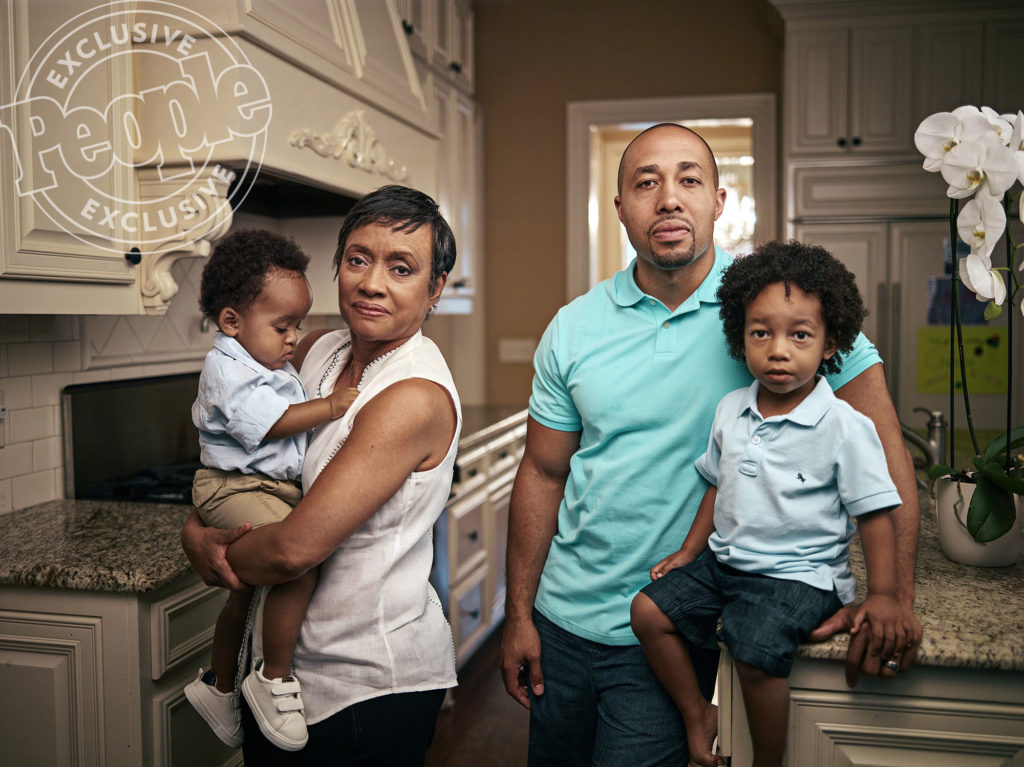
Judge Hatchett, her son Charles Johnson and his childeren Langston and Charles at home in Atlanta, GA on 6/20/17. Photographer: Julian Dufort

“We were expecting this to be a walk in the park,” Charles, 36, an entrepreneur, told PEOPLE magazine in a feature last year. “We thought we’d go in, high five, spend a couple days in the hospital and come home with two little boys.”

Charles said he noticed blood in Kira’s catheter and that she was in pain, but “smiled through the pain”

“She never complained,”  he shared to that site. “She was so tough.” Kyria later died caused by a lacerated bladder that occurred during her C-section. Charles’ family sued but he didn’t stop there and has been working to create new laws and change policy, even testifying before congressional panels in Washington.


It’s not just the pre and post child birth experience either.

A new New York Times report indicates that women are also suffering miscarriages when they are denied requests for light duty at work when pregnant. The article told the story of few warehouse employees who lifted heavy boxes after work after begging their supervisors to work with lighter boxes but were repeatedly told no.

Editor’s note: As a black mother, I find this trend and the news coming out of several reports quite troubling.

This is a health crisis that should be addressed but I have no hope that it will get better before it gets worse if some things don’t change. Racism and discrimination, health disparity and negative attitudes towards certain groups won’t help either.

Could the solution be more doulas and midwifes and better laws and policies, and implementation? Perhaps! Let’s continue the conversation online at Bellyitch on Twitter, Facebook and Instagram.

Find me JayJay Ghatt on Twitter!


Amy Schumer Is Expecting Her First Child

Amy Schumer is pregnant with her first child — but she’d rather you focus on the midterm election.

The I Feel Pretty comedian who recently  married chef Chris Fischer in February, announced the pregnancy on journalist Jessica Yellin’s Instagram page Monday by burying the lead at the end of her list of voting recommendations for the website News Not Noise.

“Chris and I are thrilled and almost positive he’s the father. I look forward to competing with Markle every step of the way,” she joked while confirming her baby news.

Congrats!!

Vitamins to Take At Every Age


Vitamins are essential in our daily routine, but how do you know what you should be taking in your 20’s compared to your 40’s, or 60’s? Dr. Christopher Calapai D.O., a New York-based Osteopathic Physician board-certified in family and anti-aging medicine, is sharing his top recommendations for vitamins you should be taking through the generations:

 ·       Your 20’s –In our 20’s, we’re super active, so Vitamin B is really important. Vitamin B will keep you energized throughout the day and prevent you from crashing. Vitamin C is another important vitamin that will boost your immune system and slow down the skin’s aging process.

 ·       Your 30’s – Our 30’s require a lot of vitamin D, which helps strengthen bones and keep your teeth healthy. Vitamin D deficiencies can cause health issues such as bone abnormalities and increased bone tenderness, which can lead to osteomalacia. This is especially important in the winter months as Vitamin D levels from the sun are harder to absorb.

 ·       Your 40’s – Once you reach 40, be sure to get a lot of calcium and potassium. You should also be taking a multivitamin daily. A multivitamin helps with memory loss and lowers the chance of cancer.

 ·       Your 50’s – In our 50’s, Omega 3 is a key vitamin in your 50’s since it lowers blood pressure and prevents heart disease. There are three types of Omega-3’s, one being DHA, that improves eye health. These fatty acids can also fight off inflammation in the body.

 ·       Your 60’s – Come 60, Vitamin B12 is known to keep nerve and blood cells at its healthiest, while also preventing anemia, making you tired or weak. Iron maintains healthy muscle function as well, so this is a must.

Be healthy!

How to Prevent Diaper Rash

New parents are subjected to a veritable flood of information over the first few years of their child’s life, mostly through advice of the unsolicited variety from family members and friends. This advice usually covers every subject from parenting skills to preventing diaper rashes, and many times the advices changes as quickly as the people who give it do. Despite the onslaught of contradicting information, frequent changes, wipes, and ointments are all part of the diapering process for most parents as standard preventative measures, but even the most carefully-monitored baby can contract diaper rash.

A form of dermatitis, diaper rash most commonly occurs as a result of moisture trapped inside a diaper that irritates the skin and causes inflammation. Rashes can range from mild to quite severe, and some babies have skin that’s more sensitive and thus more susceptible than others. Parents should realize that a diaper rash isn’t an indicator of poor parenting or neglect; diarrhea, changes in diet, and even allergic reactions to the wipes and ointments designed to prevent such rashes can cause them. Additionally, urine isn’t the only source of potentially irritating moisture; even sweat can be trapped inside a diaper after a particularly vigorous play session and cause the delicate skin to become red and irritated.

Frequent Diaper Changes Are Your Friend

The most common cause of diaper rash is a soiled diaper that’s left on for too long, so the most effective way of preventing most rashes is to simply change your baby’s diaper every time it’s soiled, as soon after as possible. The same holds true for any time your child becomes sweaty after exerting himself, or gets damp from spills or other contact with fluids. By changing your baby’s diaper often you can also combat the spread of inflammation-causing bacteria carried by eliminatory waste. During a diaper change, be sure that you pat your baby’s bottom dry rather than rubbing it, which can further irritate already inflamed skin or cause inflammation to healthy skin.

Avoid Irritating Chemicals

Unfortunately, the fact that a product is marketed towards new parents for use in their baby’s care doesn’t automatically mean that it’s free of chemicals, fragrances, and dyes that can be irritating to his sensitive skin. If you’ve been vigilant about diaper changes and still find that you’re battling frequent diaper rash, it may be time to take a closer look at the wipes, ointments, and even the diapers themselves. Alcohol can burn his skin, and products containing propylene glycol may be responsible for spreading bacteria around the diaper area, rather than keeping it at bay. Look for brands that are specifically marked “fragrance free” and do not contain dyes or other coloring agents. Parents that opt for cloth diapers need not worry about the diapers themselves containing the same deodorizing chemicals as their disposable brethren, but should make sure that those diapers are laundered with detergents formulated specially for use with newborn and infant clothing items. Adding a half-cup of white vinegar to the rinse cycle for cloth diapers can also reduce the alkalinity of the fabric, which may afford further protection.

Allow Air Flow

No one wants to deal with a leaky diaper, but swaddling your baby’s behind too tightly can cause a diaper rash quickly. Whenever possible, allow your baby to go without a diaper for short periods of time to promote drying and healing through natural air circulation. Using a plastic or rubber sheet to protect his crib mattress and letting him nap sans diaper on occasion is also an effective method for both prevention and treatment, though it can be relatively messy, especially as baby’s age.

Diet Can Contribute to Diaper Rash

Another powerful weapon in the diaper rash prevention arsenal is to breastfeed your baby for as long as you possibly can. The World Health Organization suggests that babies be breastfed for the first year of life, but any period of breastfeeding is better than none. The immune system boost that he gets from breast milk can help him avoid a prescription for antibiotics, which often cause diaper rash and even yeast infections in infants. Be prepared for irritation during the transition to solid food, and make sure to check and change his diaper more frequently than normal as his body adjusts.

Kehlani and the New Generation of 20-Something Expectant Moms

Motherhood isn’t just for thirty something celebs you know. Then 19-year old Kylie Jenner, 22-year old Slick Woods and more recently 23-year-old singer Kehlani (full name Kehlani Ashley Parrish) are starting their families super early.

It’s a flip on the usual narrative about older celeb women having babies in their advanced years of late 30s to 40s and even 50s in the case of Janet Jackson and 54-year old Brigitte Nelson.

Kehlani announced her news by posting a a photo with a lengthy letter to her fans in the caption sharing the news earlier this month . It was followed by a series of endearing photos showing off her baby bump.

The Oakland-native didn’t share who her child’s dad is but otherwise she was pretty candid:

“I’ve always been very open with you all about my personal adventures & accomplishments… this was the HARDEST to hide,” the 23-year old shared about concealing her pregnancy. “[]If you know me, you know I’ve dreamt about motherhood since I was very young.:

She continued: “when asked what my goals are, it’s always the idea of a big healthy happy family & whatever comes along is a plus . i am so honored to be given this gift by spirit, creator, and an amazing partner whom i trust with my body and life. i knew sharing something so personal and precious could bring stress into my world but there isn’t a word anyone would say my way that could take away from this. dearest little girl, i am so proud to be your mommy. i am so proud to have received you. i cannot wait to meet you, i know you will be 50,000 times more special than i can even imagine at this moment. i am happy to document this journey and feel the freedom any pregnant person should. i’m looking forward to sharing my little world with you all… my partnership with my very best friend and lover, our journey of conception, my choice for a natural home birth with my AMAZING midwives at @parteramidwifery and eventually… the little pumpkin! i am now a HOME. 4 months and counting with you, angel of mine. SHE DONT WANNN HIDE NO MO ??? we’re so ready for you mija!

https://www.instagram.com/p/Bo2HpdMH-3G/

Congrats!

https://www.instagram.com/p/BpAvpqTnyqy/?taken-by=kehlani

8 Things to Do When Your Newborn Rejects The Bottle

After several months of breastfeeding, many babies are understandably reluctant to change. Breastfeeding is warm and comforting, it brings mother and baby close together, and it comes easily and naturally. So when it comes time to introduce the bottle and your baby does not take to it right away, do not be frustrated. The plastic nipple takes some getting used to, and the temperature of the milk in the bottle can be difficult to regulate. Plus, if you are introducing formula at the same time, this adds another element of difficulty.

If you are considering introducing your baby to the bottle or have already started but cannot seem to make it work, here are some tips to try.

1 Introduce the bottle early. It may be too late for this, depending on your situation. But it is a good idea to introduce the bottle long before the baby will have to get used to using it all or most of the time. Have dad (or someone else) feed the baby with the bottle so there is no confusion, and introduce it for one feeding per day at first. Soon the baby will have the hang of the bottle, but the breast will still be available should problems arise.

2. Get mother out of the room. As already mentioned, it is a good idea to have someone other than the mother be the principal bottle-feeder at first. But going even further than that, it is often best if the mother is not in the room at all. Seeing mom may just make the baby think of the breast, which might make the bottle seem extra unsatisfying.

3. Wait for the baby to be hungry. The baby will be less discriminating about what she drinks when she is more hungry. So when introducing the bottle, wait until a time when the baby is likely to have an empty stomach-for example, after a long nap.

4. Try it when the baby is not so hungry. Of course, every baby is different. Some take the bottle best when they are very hungry, and some will feel betrayed when they are desperate for the breast and receive a bottle instead. So try introducing the bottle halfway through a feeding or when your baby is not fully hungry but still potentially ready to be fed.

5. Do not force it. Instead of sitting the baby on your lap and immediately trying to make him drink, act casual about it. Think of it as just you and the baby hanging out together with the bottle. If he seems curious about the bottle, put it to his lips and see if he tries to take a sip. And if he rejects the bottle, do not force it, as this might just make him extra mad.

6. Try different temperatures. Use a bottle warmer to try to approximate the temperature of mother’s milk. Of course, be careful not to make it too hot. And if that does not work, trying feeding room-temperature milk. Some babies, especially when in the teething stage, actually enjoy cool milk.

7. Start with expressed milk. If you plan to switch to formula, you might want to wait until after making the transition to the bottle. At first, feed the baby only expressed milk. If you do not have enough, mix expressed milk with formula. And remember that mother’s milk changes over the months to accommodate the baby’s needs throughout her development, so fresh milk often tastes best to the baby. There is nothing wrong with older milk that has been frozen, but you might want to save it till after your baby is comfortable with the bottle.

8. Feed when the baby is sleeping. If your baby is waking up from a nap and you know she will be hungry, try slipping a bottle of warmed milk into her mouth as she wakes. This way, she will not have a chance to realize that there is something unusual going on, and once she starts drinking, she may find she likes it quite well.

Batman138 Bro138 Dolar138 Gas138 Gudang138 Hoki99 Ligaciputra Panen77 Zeus138 Kilat77 Planet88 Gaspol168 Sikat88 Rupiah138 Garuda138 Gacor77 Roma77 Sensa138 Panen138 Slot138 Gaco88 Elanggame Candy99 Cair77 Max7 Best188 Space77 Sky77 Luxury777 Maxwin138 Bosswin168 Cocol88 Slot5000 Babe138 Luxury138 Jet77 Bonanza138 Bos88 Aquaslot Taktik88 Lord88 Indobet Slot69 Paus138 Tiktok88 Panengg Bingo4d Stars77 77dragon Warung168 Receh88 Online138 Tambang88 Asia77 Klik4d Bdslot88 Gajah138 Bigwin138 Markas138 Yuk69 Emas168 Key4d Harta138  Gopek178 Imbaslot Imbajp Deluna4d Luxury333 Pentaslot Luxury111 Cair77 Gboslot Pandora188 Olxtoto Slotvip Eslot Kuy138 Imbagacor Bimabet